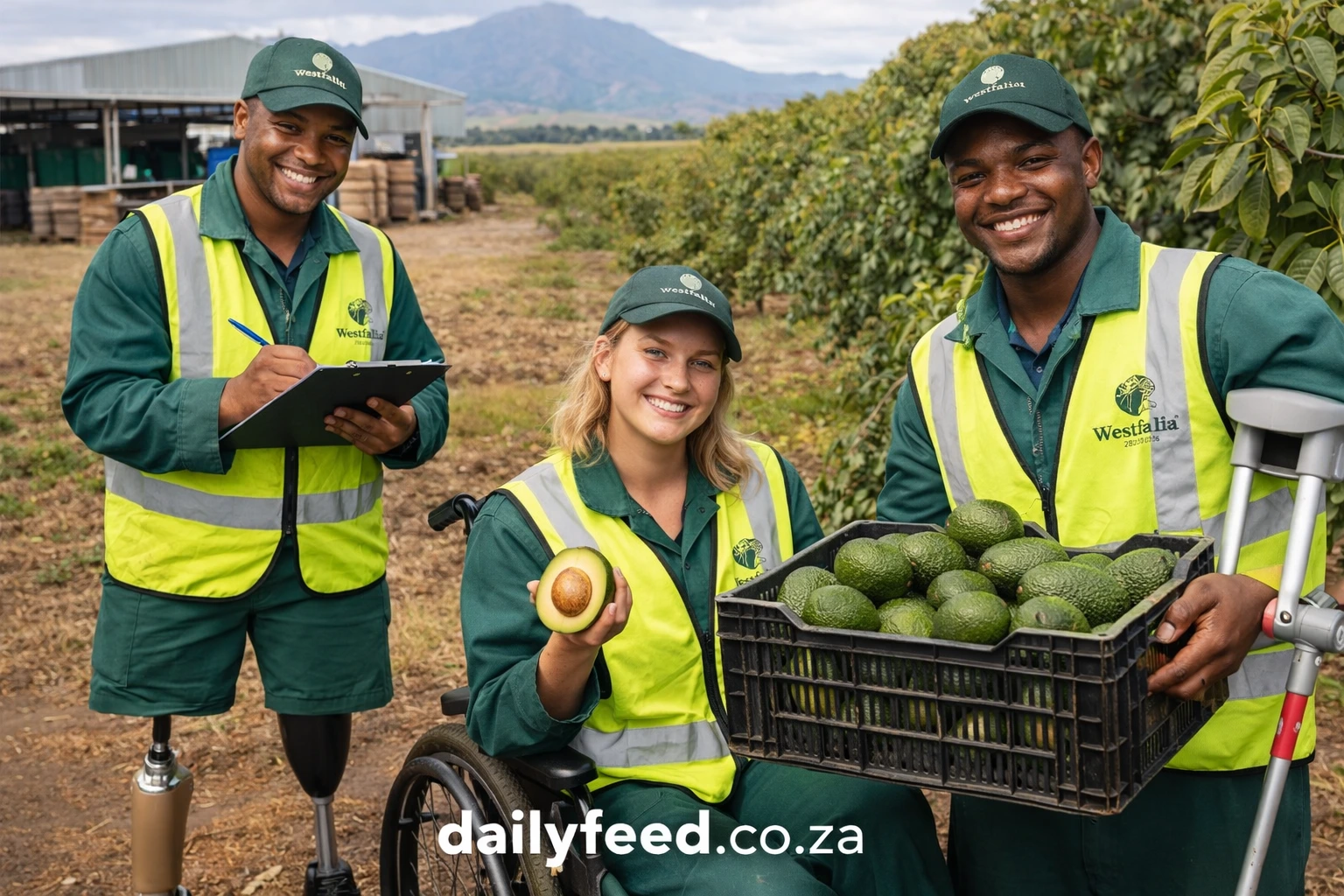
Westfalia Fruit’s 2026 Graduate Programme offers two-year contracts for young South African graduates across engineering, science, and business fields.
For many South African graduates, the search for meaningful work after university has become exhausting. Westfalia Fruit’s newly announced 2026 Graduate Programme opportunities offer a rare chance for young professionals to enter a global agribusiness with structured training and real workplace exposure.
This matters now because graduate unemployment remains high, and long-term, paid programmes with clear development pathways are becoming increasingly scarce.
Why This 2026 Graduate Programme Is Getting Attention
Westfalia Fruit is not a small or experimental employer. It operates across the full fresh-produce value chain, from growing and packing to processing and global distribution. For graduates, this means exposure to real operations rather than simulated training environments.
The 2026 Accelerated Graduate Programme (AGP) is designed to run for two years on a fixed-term contract, starting 1 April 2026. Participants are placed on-site in Tzaneen (Limpopo), Johannesburg (Gauteng), or Howick (KwaZulu-Natal), depending on discipline.
What stands out is the programme’s focus on rotation, mentoring, and practical contribution. Graduates are not just observing — they are expected to support operations, analyse data, and contribute to improvement initiatives.
ALSO APPLY FOR Ikhala TVET College Internship Programme 2026 Opens Doors for Unemployed Graduates
Who This 2026 Graduate Programme Is Best Suited For
This opportunity is aimed at graduates who are ready to move from theory into practice. Applicants must be South African citizens, under 35 years old, and must have completed a relevant qualification.
Eligible disciplines include, among others:
- Agricultural, Electrical, Industrial, and Mechanical Engineering
- Horticulture, Agricultural Science, Plant Pathology, and Plant Breeding
- Biotechnology and Food Science
- Supply Chain and Logistics
- Finance, Communications, Health and Safety
- Social Work
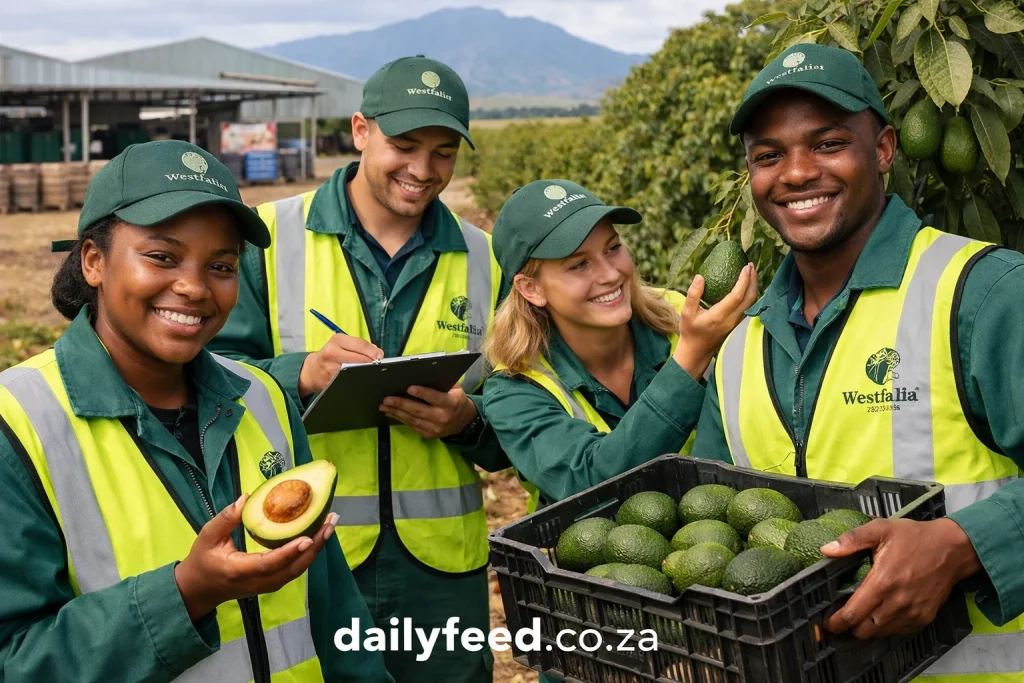
The spread of disciplines reflects how complex modern agribusiness has become. Producing avocados for global markets is not just about farming — it involves engineering systems, logistics planning, quality control, safety compliance, finance, and community engagement.
Graduates who tend to perform well in programmes like this are those who are adaptable, willing to learn, and comfortable working both independently and in teams.
What Graduates Will Actually Be Doing
While graduate programmes often sound impressive on paper, the day-to-day reality matters more. According to the role description, participants will:
- Take part in a structured development programme with rotational exposure
- Apply academic knowledge to real operational challenges
- Assist with data collection, analysis, and reporting
- Support daily operational, technical, or administrative activities
- Contribute to continuous improvement initiatives
- Prepare progress reports and project updates
This means graduates should expect responsibility early on. There will be learning, but also accountability. Some tasks may feel routine at times, while others may be complex and fast-paced — especially during peak production periods.
It is not guaranteed to be easy, but it is likely to be career-shaping.
The Reality Behind the Two-Year Contract
A two-year fixed-term contract can raise questions for some applicants. It is important to be clear: this is not a permanent role from day one.
However, in large organisations, graduate programmes often function as extended evaluations. Strong performers typically leave with:
- Solid professional references
- Industry-relevant experience
- A clearer career direction
- Improved employability, whether inside or outside the organisation
Westfalia Fruit also states that it is an employment equity employer, and people with disabilities are encouraged to apply, which is an important consideration for inclusive workforce development.
That said, applicants should apply with realistic expectations. Completion of the programme does not automatically guarantee permanent employment.
How and When to Apply for the 2026 Graduate Programme
Applications close on 05 February 2026. Interested candidates must submit:
- A comprehensive CV
- An application letter
- Certified copy of ID
- Qualifications and academic transcript
Applicants must clearly state the discipline they are applying for in the email subject line. Enquiries can be directed to Jackson Maphalla (015 309 0106).
Candidates who do not receive feedback by 28 February 2026 should regard their application as unsuccessful.
APPLY HERE FOR Westfalia Fruit 2026 Graduate Programme
Frequently Asked Questions
Is this Westfalia Fruit 2026 Graduate Programme paid?
Yes. Successful candidates will be offered a two-year fixed-term contract.
Where will 2026 Graduate Programme be based?
Placements are on-site in Tzaneen, Johannesburg, or Howick, depending on the discipline.
Can students who are still studying apply for Westfalia Fruit 2026 Graduate Programme?
No. Applicants must have completed their qualification.
Is there an age limit for 2026 Westfalia Fruit 2026 Graduate Programme?
Yes. Applicants must not be older than 35 years.
Are people with disabilities eligible to apply for Westfalia Fruit 2026 Graduate Programme?
Yes. People with disabilities are encouraged to apply.
Click here to Follow the Daily Feed channel on WhatsApp
Final Thought
Graduate programmes like this one matter because they bridge the gap between education and employment. While not without pressure or uncertainty, the Westfalia Fruit 2026 Graduate Programme offers structure, exposure, and a foothold in a competitive job market — something many graduates urgently need.
About The Author
